






















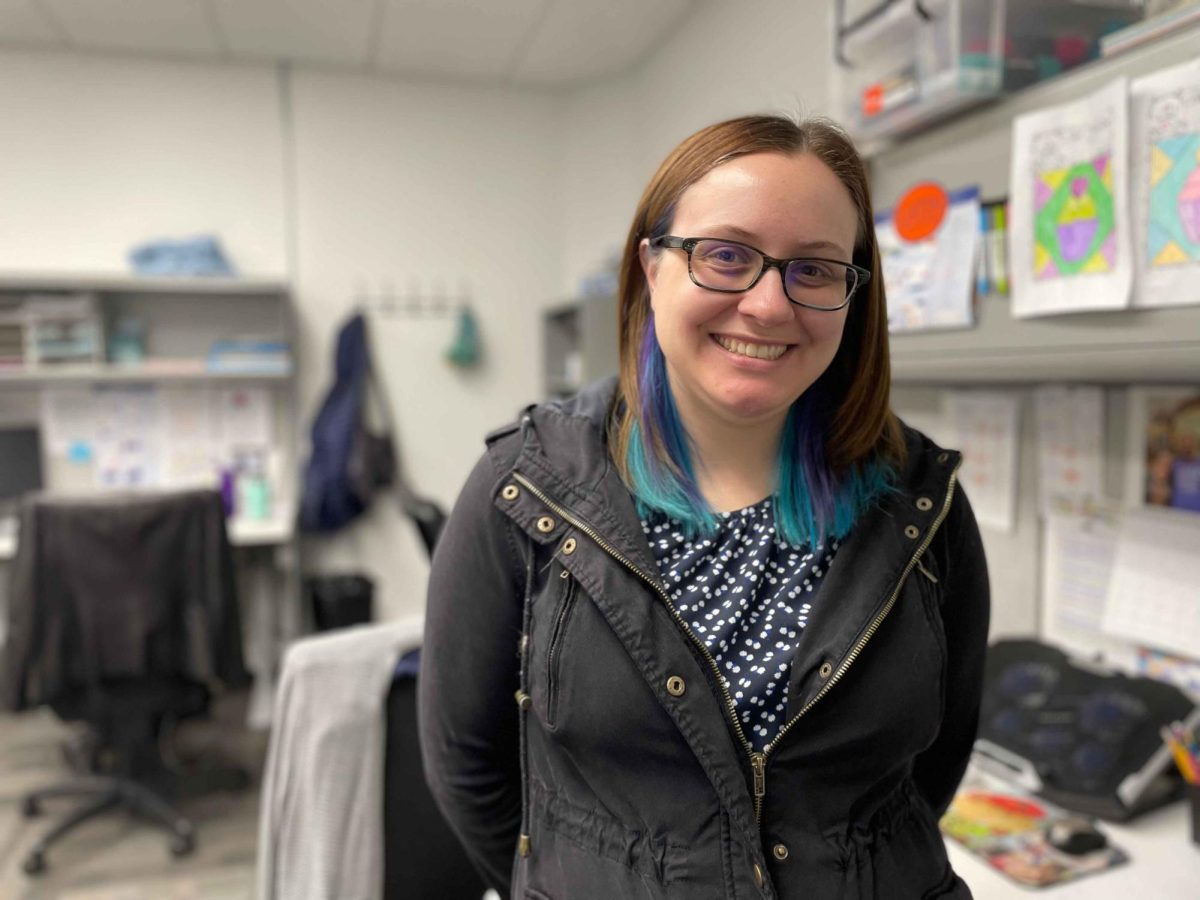

Of the 1.5 million plastic surgery procedures in the U.S. in 2023, over 280,000 of them were performed on people aged 19 or younger. And of those 280,000, several were performed on current Latin students or recent alumni, with at least nine confirmed patients in the classes of 2024, 2025, and 2026. Five were willing to share their stories with The Forum.
Grossing over $22 billion in 2025, the plastic surgery industry spans a wide range of procedures and treatments, including face and body, purely aesthetic and medically necessary, surgical operations, and non-invasive procedures.
Among teens, the most common are all minimally invasive: skin treatments, neuromodulator injections like Botox, fillers, and skin resurfacing. For young patients, these procedures are often preventative, with “baby Botox” patients hoping to use the injections to delay future signs of aging instead of remedying current ones.
Surgical procedures like breast reduction, nose reshaping, and liposuction round out the list of procedures with over 3,000 teenage patients annually.
Among this age group, surgical trends deviate from the general population, and procedures often come with different motivators.
Dr. Sammy Sinno, a plastic surgeon who has worked with multiple Latin students, spoke on common surgical procedures for young people. “The main procedure I see teenage patients for is rhinoplasty. This is a procedure where the nose can be reshaped …” he said. “The biggest impact I see from the procedure is a confidence that [it] gives young people as they prepare to enter the world of adulthood.”
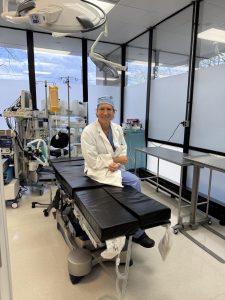
Apart from any specific procedures, though, many surgeons believe plastic surgery is experiencing a rise—spanning across all age groups.
Dr. Stefan Szczerba, a plastic surgeon and Latin parent, has witnessed this trend firsthand. “Over the past decade, [plastic surgeons] have seen a significant rise in interest in the field, among both teenagers and society in general,” he said.
That growing interest is reflected within the Latin community as well, where conversations about cosmetic procedures have become increasingly common. Senior Catarina Santana said, “I just hear more and more people at Latin talking about wanting to get a nose job.”
The reasons people get plastic surgery, especially as teenagers, are plentiful. Dr. Szczerba said he believes that social media and advancing technology—including artificial intelligence—alter teenagers’ perspective of what a healthy, attractive body and face look like, leading teenagers to consider surgery.
“Social media can create a ‘biological impossibility,’” he said. “When people try to ‘optimize’ their features to match an AI filter, it can lead to constant anxiety, because the human body is genetically hardwired through DNA to age and change.”
But for McLean Moroney ‘24, a nose surgery wasn’t simply aesthetic; it was an essential medical treatment. She received a septoplasty—a surgery to straighten the cartilage between her nostrils—after three broken noses resulted in the complete obstruction of her airway.
“My septum broke so badly that it was in the shape of the letter ‘s,’ and I couldn’t breathe at all through my nose,” she said. “I was told I would need surgery to fix all the damage or else I could develop health issues, which can impact me badly later in life.”
Previous injuries contribute to many cosmetic surgery procedures. Although not all those who undergo treatment share this commonality, every case has a unique story, and each Latin student or alum voiced their own reasons for their ultimate procedure.
—Anonymous Student(s)
Each of these reasons contributes to the increased traffic that Dr. Szczerba has seen in his office, but he also believes the change signifies a broader cultural shift.
“It seems like our whole society is changing to view aesthetics and plastic surgery of the face and body more as part of a ‘wellness’ routine, like exercise, healthy eating, or skincare, rather than as a one-time crisis intervention,” he said. “Going forward, I think the trend will just continue to increase.”
This trend differs sharply from how plastic surgery has historically been perceived. It has long been a taboo topic, but as social media and increased transparency transform public exposure to plastic surgery, that understanding is changing.
Discussing plastic surgery does not retain its former scarlet letter status, especially at Latin. Cat said, “I think the biggest plastic surgery that is talked about a lot is nose jobs, and I think people talk about it pretty openly, and really, I haven’t really seen any judgment around it.”
From Dr. Szczerba’s point of view, changes, like the evolution at Latin, are for the better.
He said, “Personally, I think this openness is long overdue, as my belief is: if there’s something that really bothers you about your appearance—something reasonable—and you have the means to get it fixed, then do it!”
Some Latin students, however, have more complicated feelings about plastic surgery. “I feel like it depends what teens are getting [plastic surgery] for,” freshman Henna Chamlin said. “If it’s to benefit them, or if it’s just for their looks. It also depends on their age and if it will change when they get older.”
Still, as Dr. Szczerba noted, cosmetic procedures often remain financially out of reach. While insurance companies generally cover reconstructive surgeries, elective cosmetic procedures usually require patients to pay entirely out of pocket.
Steep surgery costs mean that, especially for teens, some of the patients who ultimately get plastic surgery do so tenaciously. One Latin alum spent two years saving up money from part-time jobs and gifts to pay the $17,000 for their own surgery. Others received support from their families, meeting varying degrees of resistance.
—Anonymous Student(s)
For all the time spent convincing family members, saving up money, or attending consults, the results were well worth it for many patients. Plastic surgery’s personal impact can be huge—in Dr. Szczerba’s case, it literally inspired his career.
After a nose injury in first grade, Dr. Szczerba underwent two rhinoplasties by age 20 to avoid medical complications and stop his nose from continuing to grow crookedly. His positive experience is a major reason he supports plastic surgery for some teenage patients.
“I understand the motivation, but more importantly, I appreciate the profound impact a thoughtful, well-planned, well-timed, and well-performed procedure can have on a person’s daily quality of life,” he said.
Dr. Sinno has observed this same effect in his office. “Many of my patients come to me insecure with this part of their face, and it is really rewarding to see that once the nose is reshaped … that suddenly the confidence in which the patient approaches life is dramatically increased,” he said.
Several Latin students and recent alums have experienced this exact effect. Spared glances in the mirror, the bloody noses they haven’t experienced since—a successful surgery looks different for everyone.
—Anonymous Student(s)
Dr. Szczerba described his own experience after his rhinoplasties. “The most powerful result of my surgery wasn’t that I looked like a different person—it was that I stopped thinking about my nose,” he said.
But especially for teens, he emphasized caution. Decision-making centers of the brain don’t fully develop until the mid-20s, and growth spurts or changing facial features add extra considerations to teenage surgeries. Moreover, many teens come into plastic surgery offices with unrealistic expectations or without awareness of the risks of a procedure.
Upper School counselor Jane Knoche voiced similar concerns. “The topic is tricky because it is so individual. For some, plastic surgery can improve self-esteem,” she said. “If an individual has unrealistic expectations (e.g., expects plastic surgery to fix underlying emotional issues, if the individual has Body Dysmorphic Disorder), cosmetic surgery is not going to address those issues.”
The American Society of Plastic Surgeons states that positive outcomes for teenage surgeries are most likely when three criteria are met: The teenager initiates the request, has realistic goals, and displays sufficient maturity.
Dr. Sinno described how these criteria, especially around reasonable goal-setting, fit into his practice as a surgeon. He said, “It is important for me to get to know patients, their goals, and motivations for having the surgery to make sure they are great candidates.”
An environment like Latin, however, can complicate the self-initiation criterion.
Cat spoke to the way pressure from Latin’s community can play into initial decisions to seek surgery.
“When people do get nose jobs, I’ve only seen positive feedback. People [say] ‘Oh my god, your nose looks so good,’” she said. “And I think it definitely pressures other people who might think their nose isn’t the prettiest to get a nose job.”
Indeed, with plastic surgery so common—some interviewed students estimated they were one of 15-20 patients in their graduating class of approximately 130—some recent patients cited exposure from within the Latin community as a factor in their decision.
For others, school culture and its subsequent pressures proved irrelevant.
—Anonymous Student(s)
While surgeons and patients alike treat their procedure with extra care and caution, given their age, plastic surgery for teens can have as many benefits as it does risks.
Dr. Szczerba said, “Operating too early and you might be doing an unnecessary surgery or impeding natural development of the area; operating too late, you might miss the window where corrective procedure would have had a bigger impact during a teen’s formative years.”
Note: Patients interviewed for this article who did not feel comfortable sharing their name publicly were quoted in aggregate quote blocks.