



















The Upper School’s Difficult Dialogues Council facilitates discussions about complex issues yet is struggling to discuss the most complex current affair confronting the world for the past two years—the Israel-Palestine Conflict.
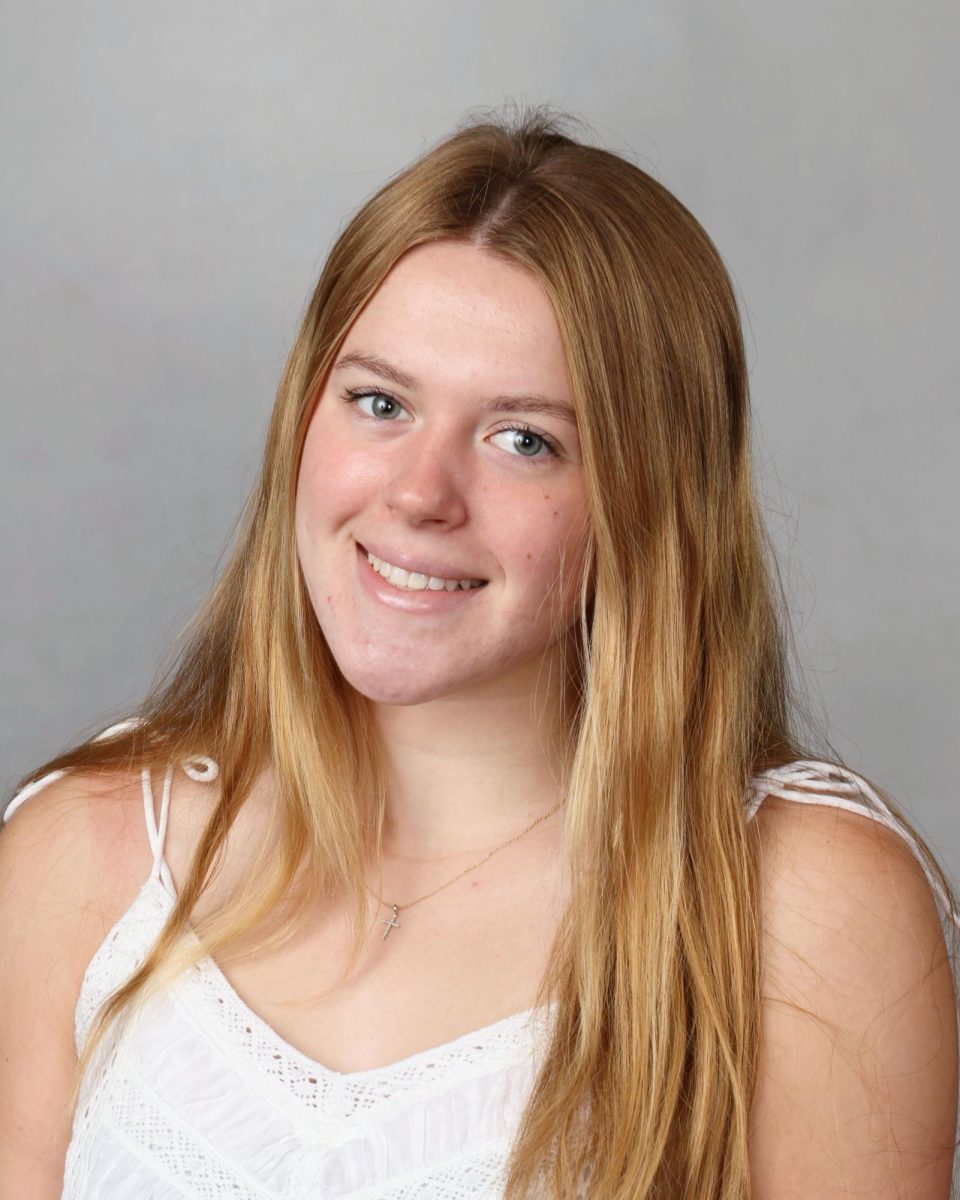
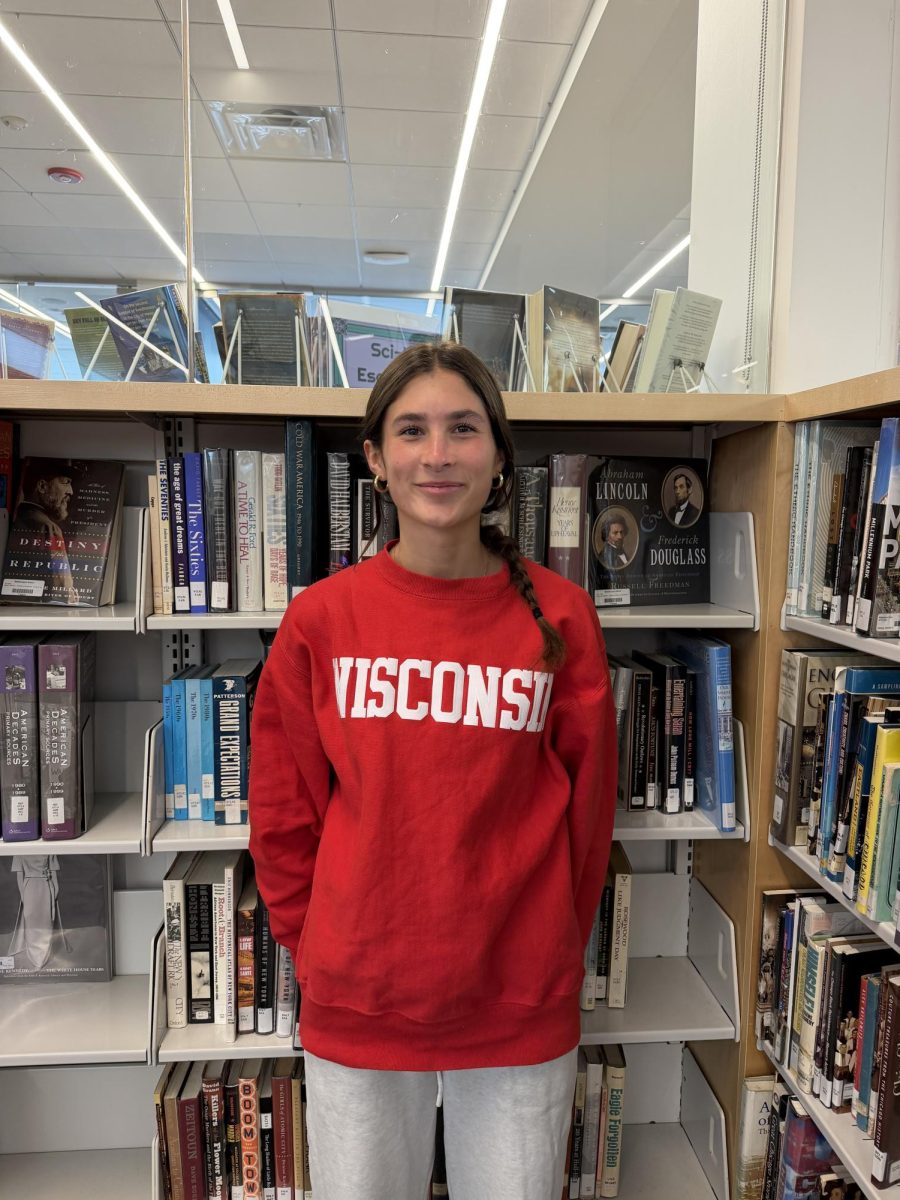
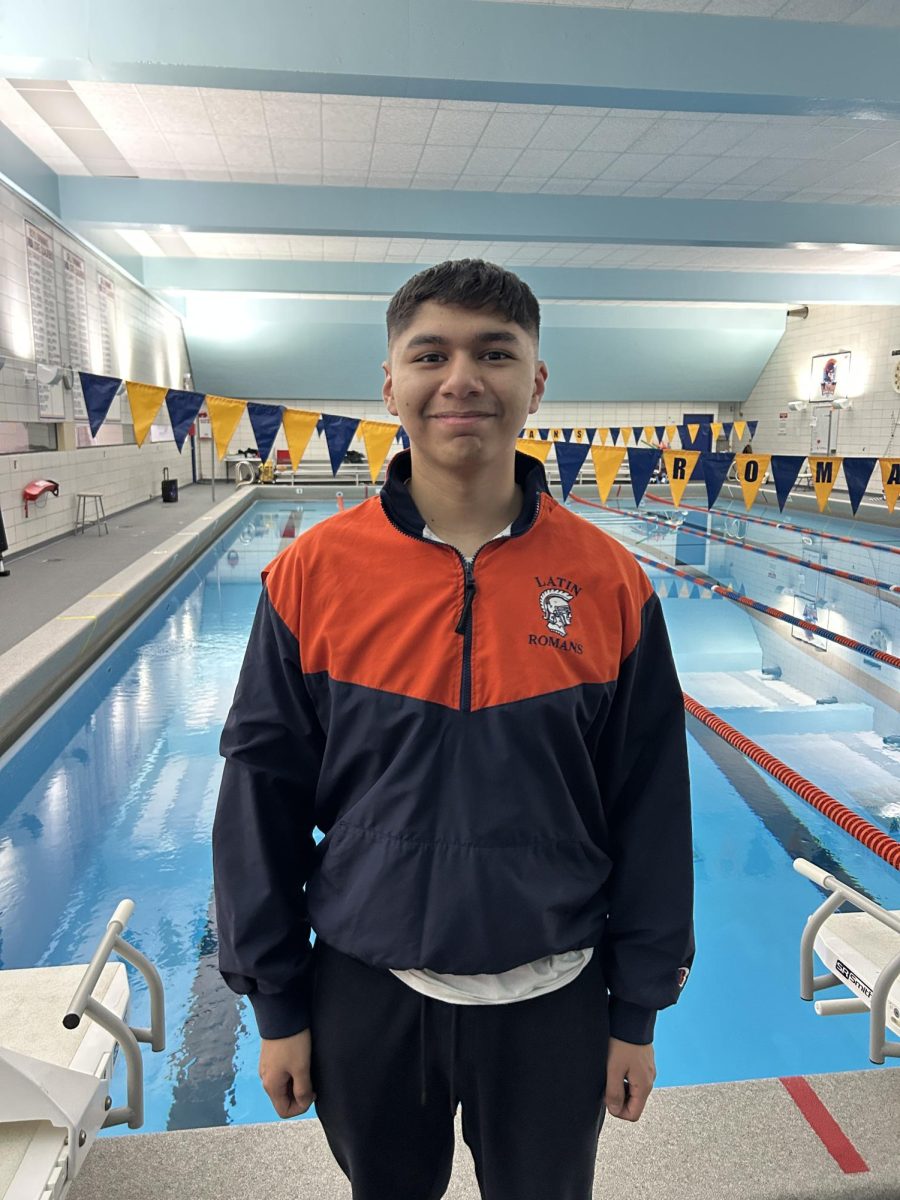
“Especially at Latin right now, it’s a really polarizing topic because people are widely on all sides of the spectrum,” senior and Difficult Dialogues communications chair Lauren Hanover said. “[On] our own council, we have members that are widely on different sides of the spectrum.”
Thus far, a discussion has not occurred, but the council is making progress toward moderating a dialogue.
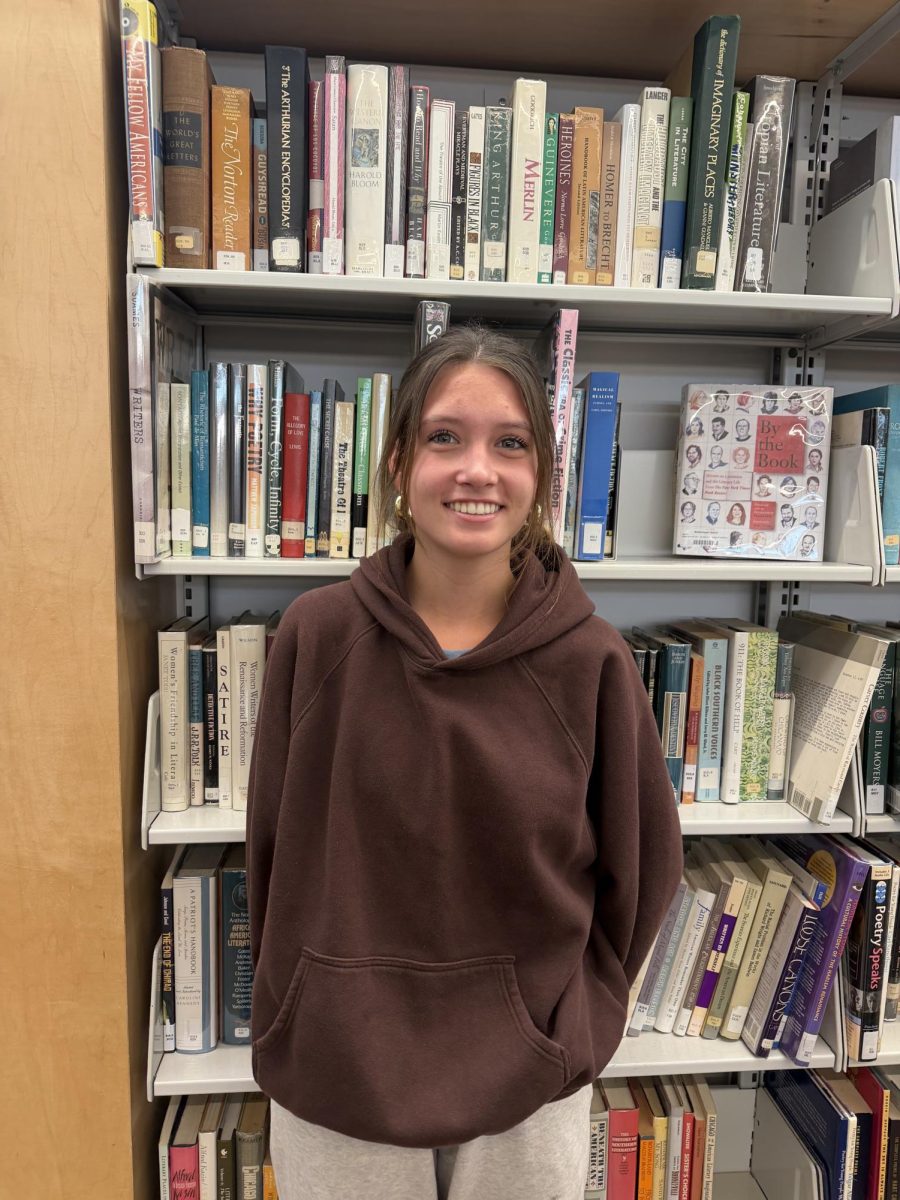
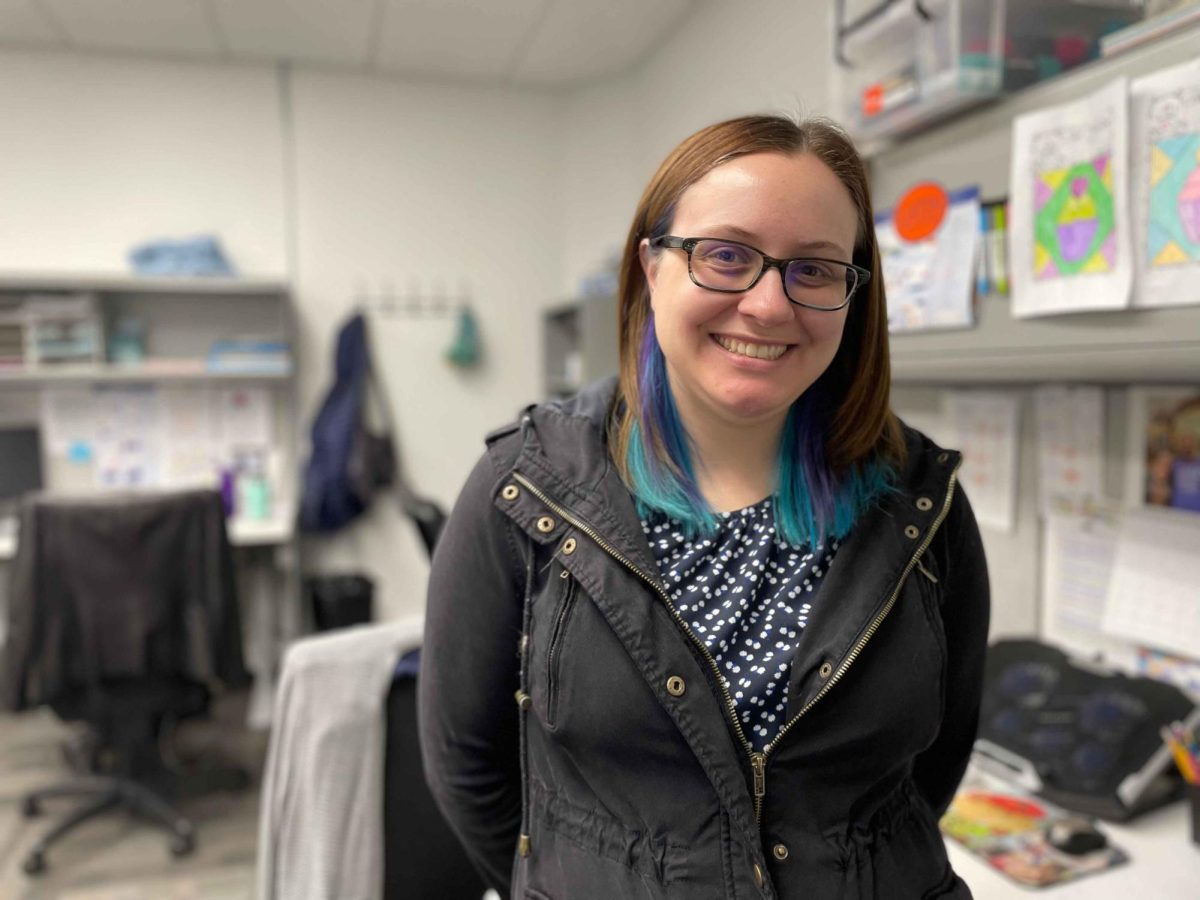
“We’ve talked about the idea of discussing the war. I definitely think that a lot of people were really open to it on both sides of the conflict,” junior member of Difficult Dialogues Alexa Nasatir said.
The war affects students on both sides of the conflict.
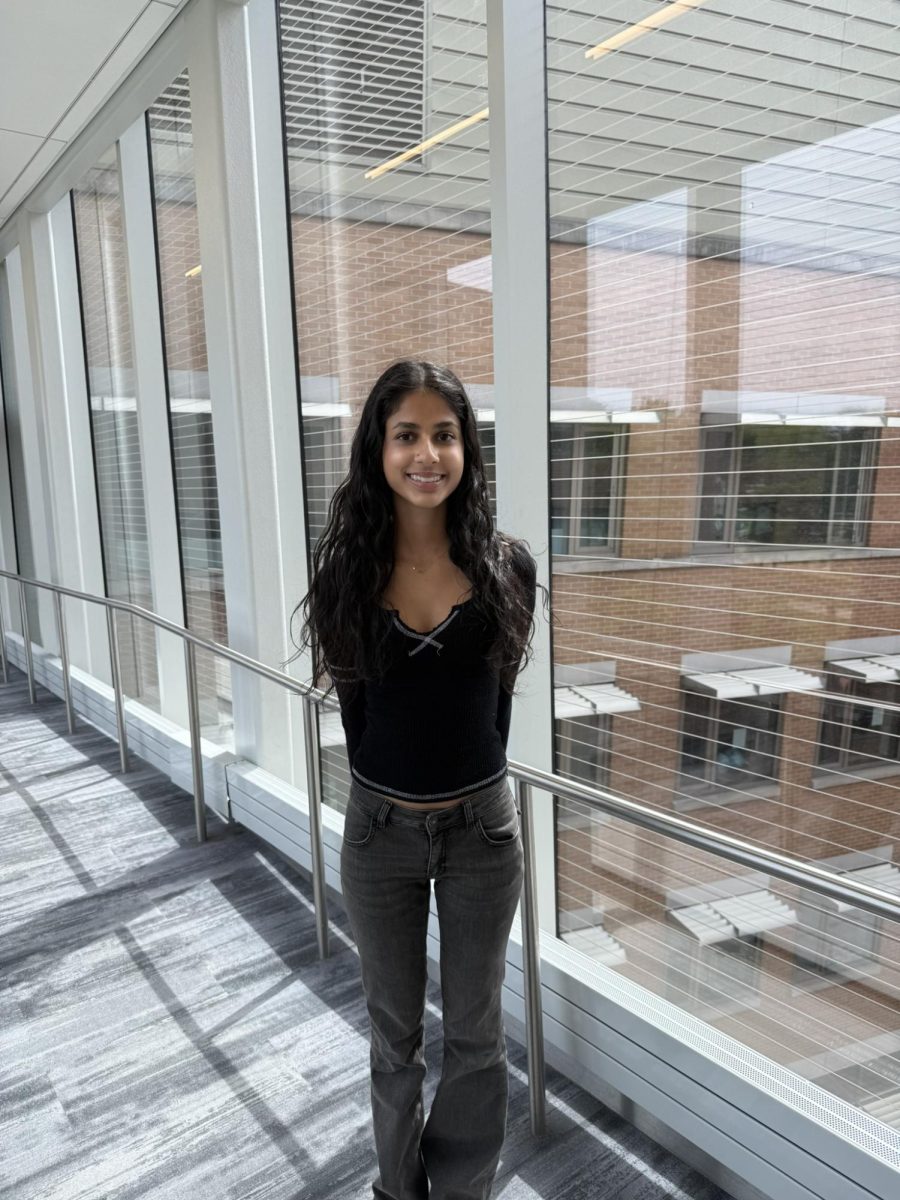
“Personally, I feel the need to talk about [the war] as a Muslim,” senior member of Difficult Dialogues Hiba Ahmed said.
The divergence in beliefs and convictions associated with the conflict complicated the Council’s approach to facilitating a discussion.
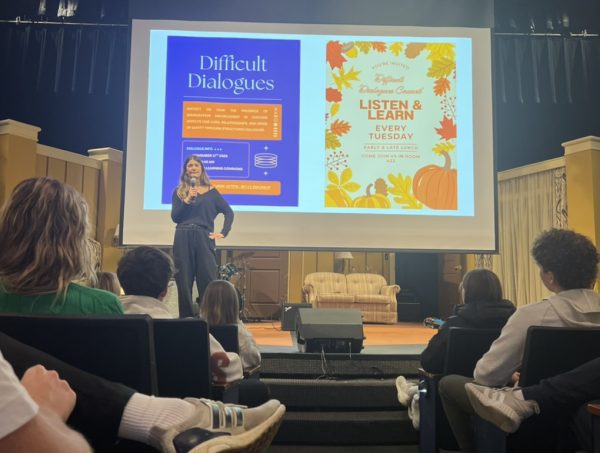
“I think we could have a safe discussion at school about it, but I don’t see it happening in the future,” Lauren said.
Students explained that the council struggled to approach discussion about the war because it’s an extremely difficult and dividing topic.
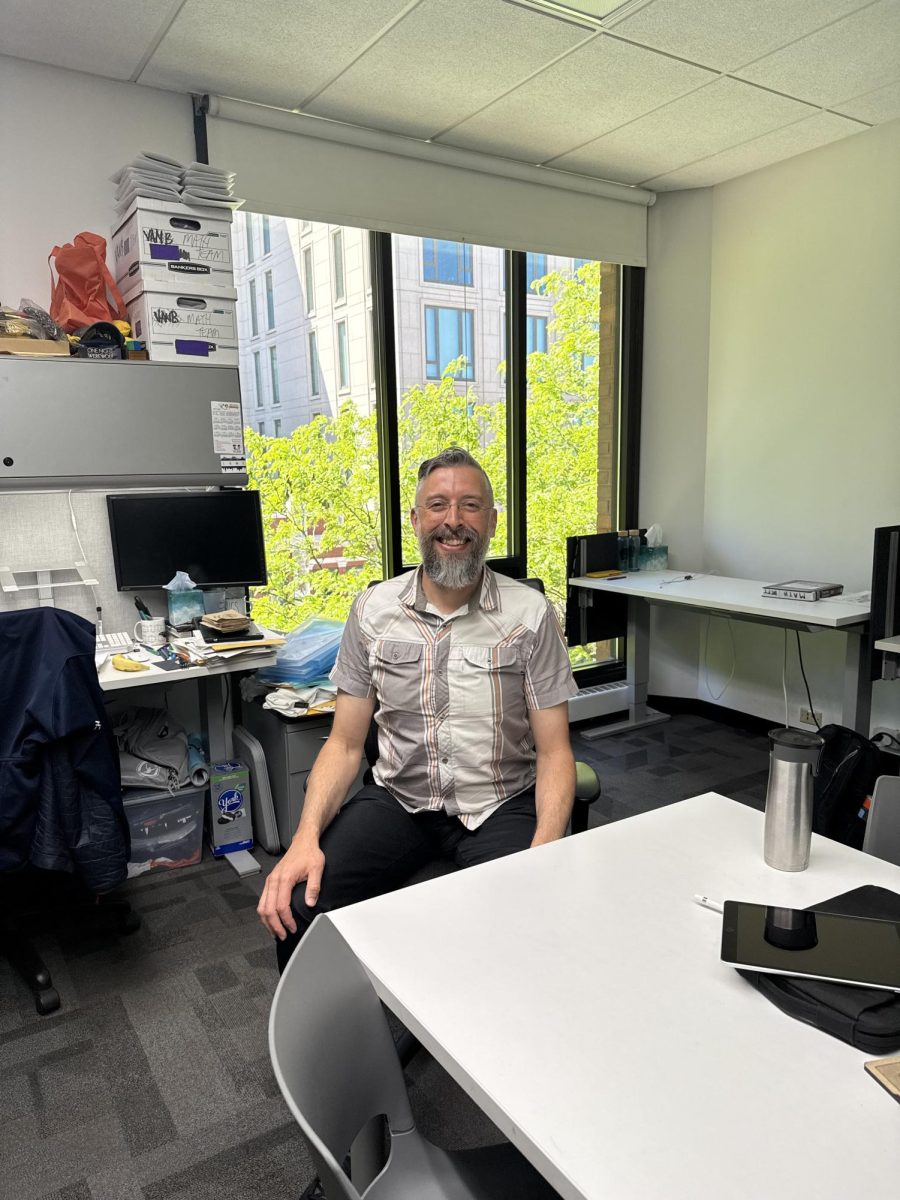
“The purpose drives everything else,” Upper School history teacher and Difficult Dialogues Council Advisor Matt June said.
Dr. June said the council needs to prioritize finding an approach to discussion because the Israel-Palestine Conflict always surfaces as the No.1 issue.
Alexa said, “It would be hard to have a dialogue about the war, at least for me, because I am so passionate about the topic, and it releases so many feelings. I think that others [in the Latin community] would agree.”
The council must plan and write a script in order to construct a dialogue. Alexa suspects that students’ emotions will affect the productivity of preparing and facilitating a dialogue.
“The dialogues don’t allow for any sort of education or talking about facts,” Alexa said.” It’s based on feelings, so I think it would be easy for things to get conflated or people might be misinformed.”
In response to students’ concerns, the council focuses on process rather than product, following the key principles of Difficult Dialogues: preparing a script, facilitating a dialogue, then reflecting during conversation.
“We’re not trying to solve any problems. We are trying to create a stronger foundation for finding a solution,” Dr. June said. “We are not trying to teach an ‘I’ perspective.”
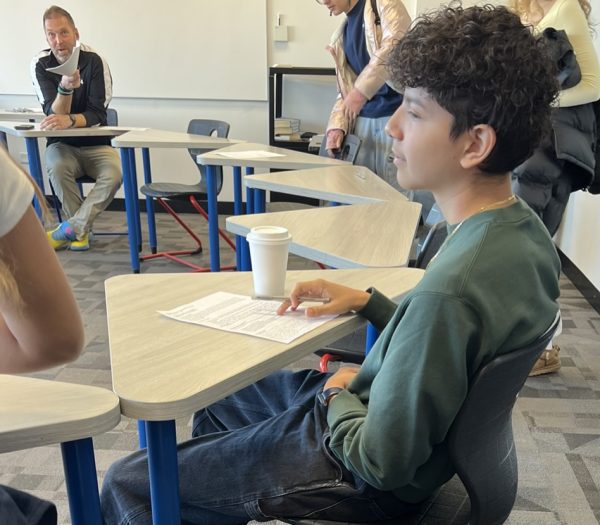
The Difficult Dialogues Council utilizes a specific discussion approach. Essential Partners, a non-profit organization committed to building trust and communication in polarized environments, taught Latin’s council members to apply a structured dialogue approach during a two-day training session this fall.
“The most valuable thing I learned [from the training] was learning the difference between a conversation and a debate, and asking questions to prove a point and asking questions to understand another opinion," Alexa said. “Once I learned these skills, it really helped my ability to facilitate a conversation.”
To minimize political divergence, Essential Partners instills a discussion approach that guides students to become open to opposing views as peers, rather than as opponents.
“To me, discussions are really about understanding where people are coming from, because we all come from different backgrounds and [grow] up differently,” Hiba said. “Understanding other people’s perspectives can really change your own.”
Essential Partners believes open, structured dialogue enhances students' participation in the classroom, creating a cohesive campus community.
“Broadening your knowledge and wisdom can help you grow as a person and become a better member of your community,” Hiba said. “It’s really beautiful to see how people can be vulnerable in these dialogues.”
Students also recognize the value of creating a space to participate in complex discussions.
“It is so important to create a place to have difficult dialogues, especially in a time where there is so much political polarization in politics and online,” Alexa said. “There is also so much animosity.”
Alexa’s perspective reflects Difficult Dialogues’ goal of providing students the opportunity to discuss news and understand other perspectives.
“I joined Difficult Dialogues because I noticed a lack of people having conversations about things that aren’t necessarily talked about in class,” Hiba said.
Discussing current issues and events in depth outside of the classroom poses challenges. As Difficult Dialogues continues to navigate its approach to the Israel-Palestine conflict, Dr. June said he will soon introduce a program that teaches students how to write the script for a dialogue.
“Figuring out what the dialogue [about the Israel-Palestine Conflict] would be and getting people to participate is a learning process,” Dr. June said.
From there, Dr. June explained plans for the future.
“We know we want to discuss the Israel-Palestine Conflict,” he said. “We need to figure out what's the plan, and what’s the purpose. We will go through a curriculum to figure that out. I hope by the end of that we will offer some of these dialogues [the community has] in mind.”
In addition to the upcoming curriculum, students’ in-depth reflection guides the council toward its future plans.
“As folks [gain] understanding of what Difficult Dialogues is doing, I think the ideas around [the conflict] have gotten a lot clearer. The most recent one was if we had a hostage [survivor] come speak to us, how could you frame something around their experience or how people responded to it,” Dr. June said.
Recently, Alexa met a NOVA music festival survivor and said she hopes for the community to convene in discussion to learn about the survivor’s story.
“We are thinking of doing a lunch and learn with JSC [Jewish Student Connection] where the survivor could come and share her story,” Alexa said. “I also talked about hosting a space with Difficult Dialogues if people want. That could be an interesting way to use Difficult Dialogues to help have a conversation about the war.”