



















Now that the Nov. 26 deadline has passed for applications to Latin's Upper School, prospective students have submitted polished applications while the admissions team gets ready for its busiest season.
All around the country, families consider sending their children to private schools for many reasons, including smaller class sizes, more personalized teaching, and an educational approach that many feel can best support their child. According to a survey from the Cato Institute, private schools saw increases as high as 53% in interest from public school families during the COVID years.
The popularity of independent schools like Latin remains after the pandemic, creating competition in the admissions process. To approach this high level of interest, the admissions committee emphasizes a process centered around the people rather than the numbers.
“[Latin’s] process is truly holistic,” Associate Director of Enrollment Management Rachel Jacobson said. “At the heart of everything we do are relationships. It’s important to us that we genuinely get to know families and that students gain a clear sense of Latin’s warm, inclusive, and rigorous community.”
To complete their applications, students must take the Independent School Entrance Exam (ISEE) and submit their standardized test scores, grade reports, and teacher recommendations (from English, math, and a principal or counselor). Once a student is admitted, they are invited to attend a ‘Reimagine Day,” which aims to influence a student's enrollment decision by giving them a chance to see student life and meet other incoming freshmen.
Admissions considers many factors to determine whether the school is the right fit for a student, beyond simply weighing standardized test scores. To help families fully understand the school culture beforehand, Latin offers various opportunities to engage with the community—from Open House, information sessions, shadow days, Roman Chats (informal Zoom calls with current students), and numerous school fairs—so they can learn about the school and begin to build meaningful relationships.
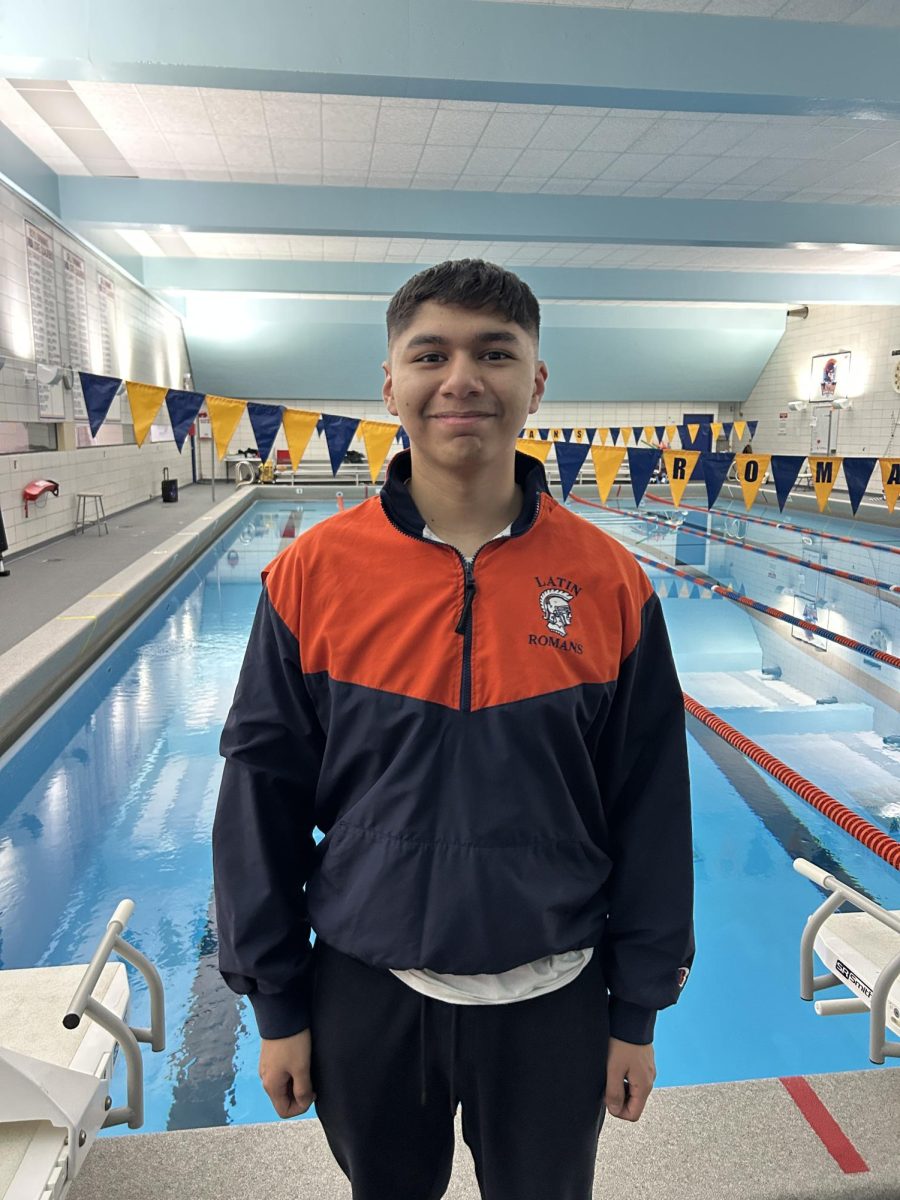
“On my shadow day, seeing the small and strong community Latin had, compared to my old school, influenced my decision to come here,” freshman Victor Perrin said.
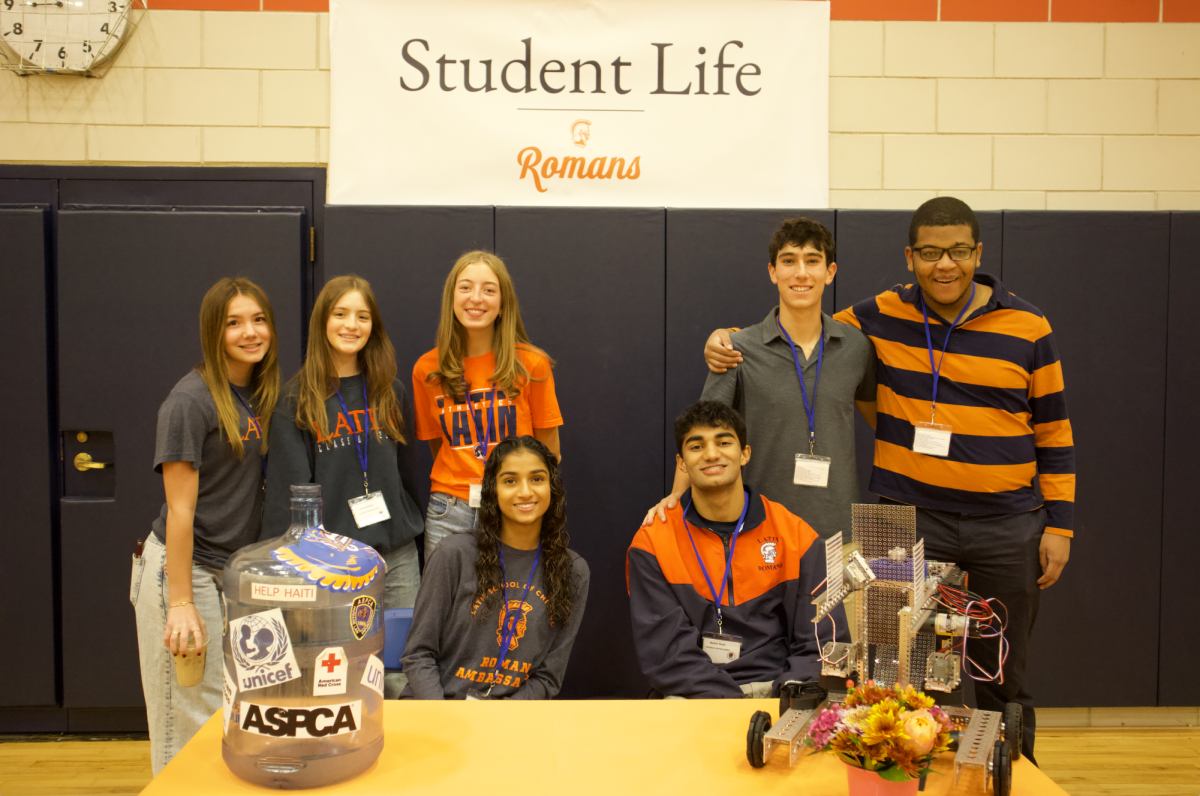
Current students who are “Roman Ambassadors” also play a major role by sharing their experiences and helping prospective students experience a “day in the life” at the school.
Senior and Roman Ambassador Daisy Krueger said that when leading tours around the Upper School building, she always tries to emphasize the “many opportunities the school provides for students to follow their passions, as well as the support from teachers and the community that helps them do so.” Together, these touchpoints help guide students and families as they undergo the formal parts of the application process.
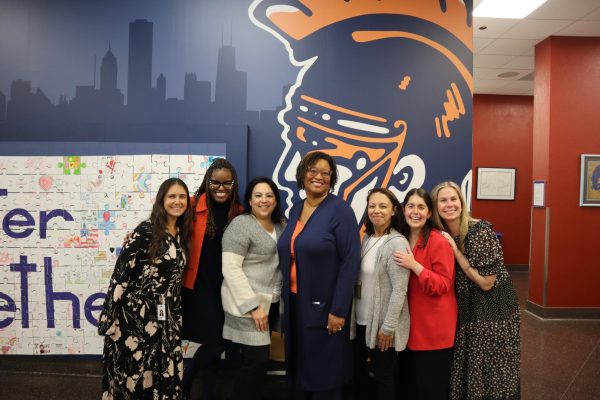
Director of Enrollment Management and Financial Aid Eleannor Maajid said, “Latin's process is designed to be extremely thorough. Our [educational] philosophy is rooted in 'teaching the whole child,' and our admissions process directly reflects that. We assess every part of an applicant—their academic achievements, personal character, extracurricular interests, and potential contributions to our community—rather than focusing on just one component of who they are.”
Families begin by completing the online application. From there, students register for their family interview and shadow day. The admissions team then conducts both the parent/guardian interview and the student interview before the prospective student shadows a current 9th or 10th grade student for a day to experience the school firsthand.
“One of the ways we differ from many of our peer schools is that we interview every single applicant,” Associate Director of Enrollment Management and Financial Aid Jovita Monarrez said. “This ensures that each student has the opportunity to share who they are beyond what can be captured on paper.”
The interview is a mix of both structured questions and conversation. During the meeting, Ms. Monarrez follows a framework to ensure equity among all applicants, but also seeks to create a comfortable environment where the student feels at ease and can be the protagonist of the conversation. While the specific questions have been refined over the years to gain a clearer picture of a student and their family, the core purpose and feel of the Upper School interview have remained the same.
“We’re able to see a student’s personality, interests, and character emerge naturally and genuinely,” Ms. Monarrez said. “It helps us understand the student as a whole person, not just as an applicant.”
During admissions season, admissions staff members’ schedules are full of events, hoping to connect with families and help them learn more about the school. Applications open right after Labor Day each year, with the first deadline in November and supplementary materials due on January 16.
Last year, the faculty implemented an earlier decision deadline specifically for affiliated families, which includes siblings of Latin students and children of faculty and staff. These families now receive their decisions on Jan. 23, as opposed to the standard Feb. 27. Once a student submits an application, the admissions committee, made up of faculty, staff, and administrators across the Upper School, reviews it thoroughly.
“It’s genuinely exciting to read the [applicant’s] stories, learn about their passions, and understand who they are as individuals,” Ms. Maajid said. “The biggest challenge, without a doubt, is having such a large pool of wonderful, qualified applicants for a limited number of spots. It's the most difficult part of the process.”
While the main entry points into the school are Junior Kindergarten (JK), fifth grade, and ninth grade, applicants can still apply for other grades. Admissions handles these applicants on a case-by-case basis, and spots are more limited, given that they are attrition-based, meaning they usually depend on current students leaving the school. The Middle and Upper School processes are very similar to one another, while for JK admissions, the formal student interview is replaced with a one-on-one readiness assessment and a group "playdate."
“Currently, our student body represents 46 different Chicago zip codes and 26 suburbs, which shows our reach is far and wide,” Ms. Maajid said.
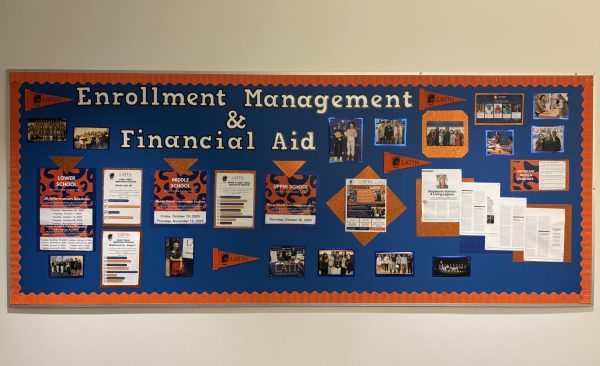
Reaching families from different backgrounds and promoting the school across the entire city has long been a priority for Latin. The Enrollment Management and Financial Aid Office conducts expansive outreach throughout Chicago and its suburbs to connect with prospective students. Ultimately, their outreach goes beyond expanding the applicant pool, and their focus on relationships guides every part of their work.
“Our office truly enjoys getting to know prospective families,” Ms. Jacobson said. “One of the greatest joys of our work is meeting a student during the admissions process and later watching them thrive as a member of the Latin community.”