


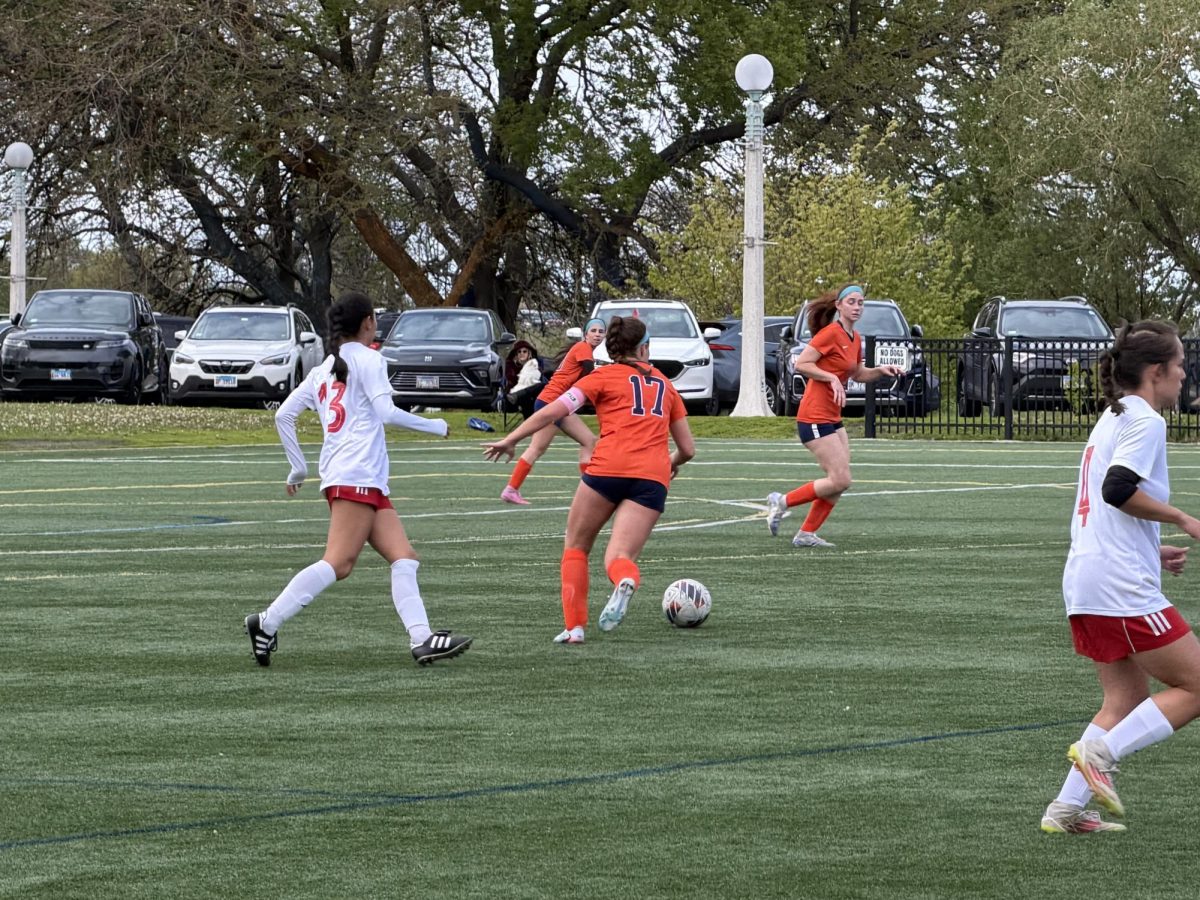























When we think of sports, we think of stadium-sized stakes, school-wide summons, and rivalries formed under Friday night lights. But, at Latin, the fiercest rivalries began in living rooms and backyards before the varsity jerseys were earned. From soccer fields to volleyball courts, sibling connections create a unique sense of chemistry in the game, intertwining competition and collaboration.
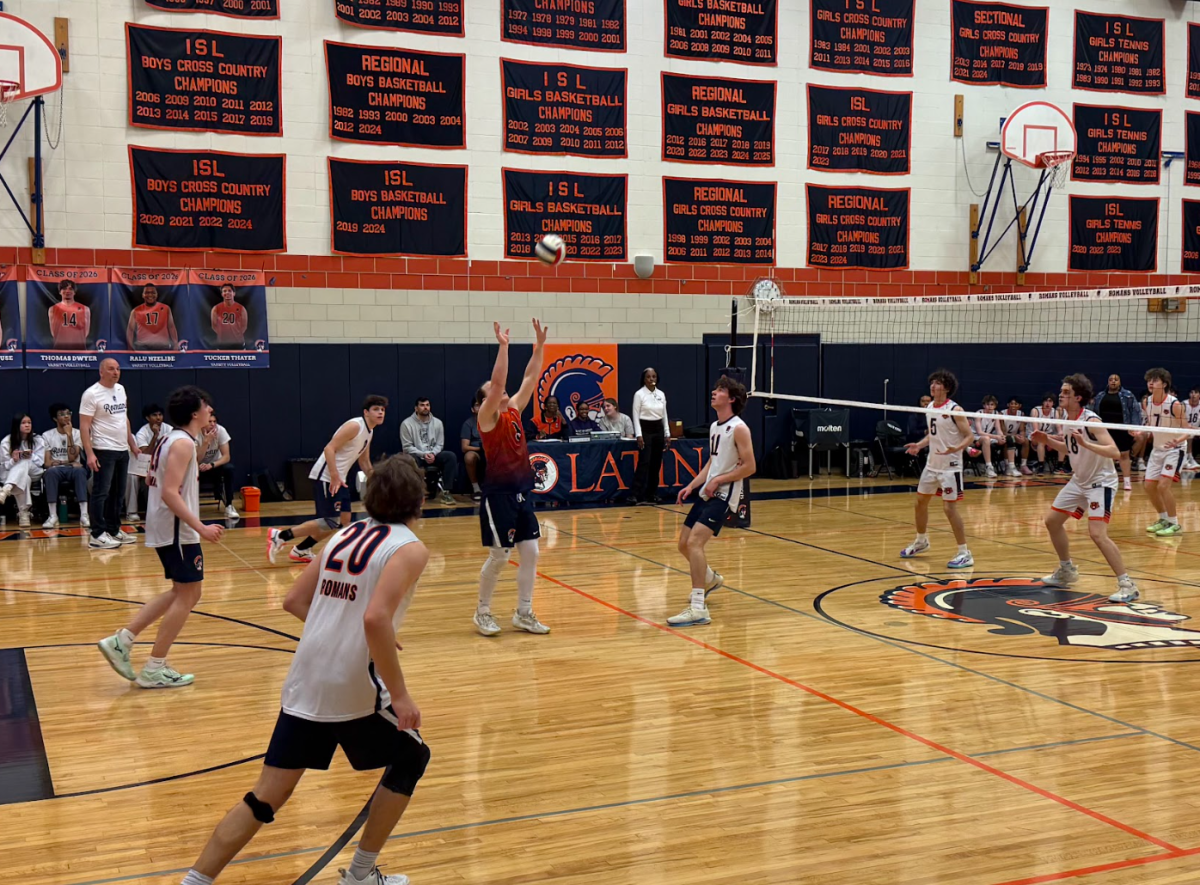
One example of a standout sibling duo at Latin is the McDermott sisters, who have dominated the volleyball court for the past four years.
Senior Gabby McDermott said that her sister “was always challenging [her] and really helped to make [her] a better player.” Gabby played on Latin’s varsity girls volleyball team, training and competing with her sister, Daley McDermott ‘25, for two years. This year, she’s continued on the team after her sister’s graduation.
Playing the same sport as Daley “kind of happened naturally,” Gabby said. “Obviously, it became very convenient when we both started to have tournaments in the same places.”
Before joining forces on Latin’s varsity team, the sisters spent time honing their skills on their own separate club teams—development that enhanced their abilities to ultimately play cohesively together.
“I really loved sharing the court with my sister. I’ve always looked up to her in a lot of ways, so being able to share the court with her before she graduated was really amazing,” Gabby said.
Daley’s role on the team extended past being a player. “Daley was always pushing me and giving me tips,” Gabby said. “She really wanted me to succeed, and I was grateful to receive that kind of support from her.”
Beyond offering literal on-court support, siblings can impact each other mentally, strengthening their mindset and reshaping their attitude and approach to the game.
Senior Sahana Aggarwal has played varsity girls tennis with her sister, junior Kavina Aggarwal, for the past three years. “Playing with [Kavina] definitely pushed me to be better,” she said. “It was more of the mental aspect of tennis; it was just learning how to pick up my attitude and pick up hers at the same time.”
In addition to students, coaches also recognize the value of having siblings on sports teams and how the presence of an older sibling can elevate the younger ones’ confidence, performance, and overall team impact.
Middle School science teacher and varsity volleyball coach Brian Woodhouse said, “I’ve had sets of siblings on both boys and girls teams, and usually it’s really good because they’ve kind of imparted knowledge on the younger sibling.”
From his experience, he has noticed a clear dynamic between siblings on teams together. “Usually, it’s more the older one pulling the other one along to try and make them better and make them improve,” he said.
This dynamic can be motivating, but it isn’t without challenges. The close bond that helps one sibling succeed can sometimes introduce added stress or pressure for another. Sahana said, “I think it affected my athletic performance in more of a mental way, because playing with your sibling brings a little more pressure than it does playing without a sibling or playing with a random person.”
Added pressure can spill over into competition, creating moments of tension that test communication and teamwork.
“I would say handling disagreements was a challenge because sometimes, we don’t want to talk about things. We want to shut down, or we don’t want to address a problem,” Sahana said.
Beyond these difficult moments, though, competing side by side ignited a deeper drive to success. According to Upper School history teacher and varsity boys soccer coach Grzegorz Gaczol, sibling rivalry “brings out the natural competitiveness of wanting to do better than your sibling.”
These sibling rivalries, in fact, can be beneficial to a team, as they bring out an inherent motivation in players to perform to their best ability. “I think when you are worried about beating your sibling at something, then you’re trying harder, and it reflects nicely on the rest of the team,” Mr. Gaczol said.
Beyond competitiveness, familiarity with each other strengthens their connection and builds a sense of reliability.
“I would say it also gives us an advantage when we are playing together because we know each other so well,” Sahana said. “There are certain ways for us to communicate that only we would understand.”