





















Latin released its “Strategic Plan 2025-2029” this fall, the latest in the school’s five-year planning cycle, which outlines current institutional areas of focus and will guide major decisions affecting all constituencies through the end of the decade.
A committee of six members—consisting of two representatives from Latin’s Board of Trustees, three members of the senior administration, and one former longtime division director who is now serving as a consultant to the school—developed the plan over the course of last year using feedback gathered from community members through surveys and focus groups. The plan is organized into three core areas:
“What excites me most about the Strategic Plan is that it represents the work of our entire community, including students, faculty, staff, families, trustees, and alumni,” Head of School and Strategic Planning Committee member Thomas Hagerman said. “I’m inspired by how this plan not only sets ambitious goals, but also invites all of us to play a meaningful role in achieving them, reinforcing the collaborative culture that makes Latin such a special place to learn, teach, and grow.”
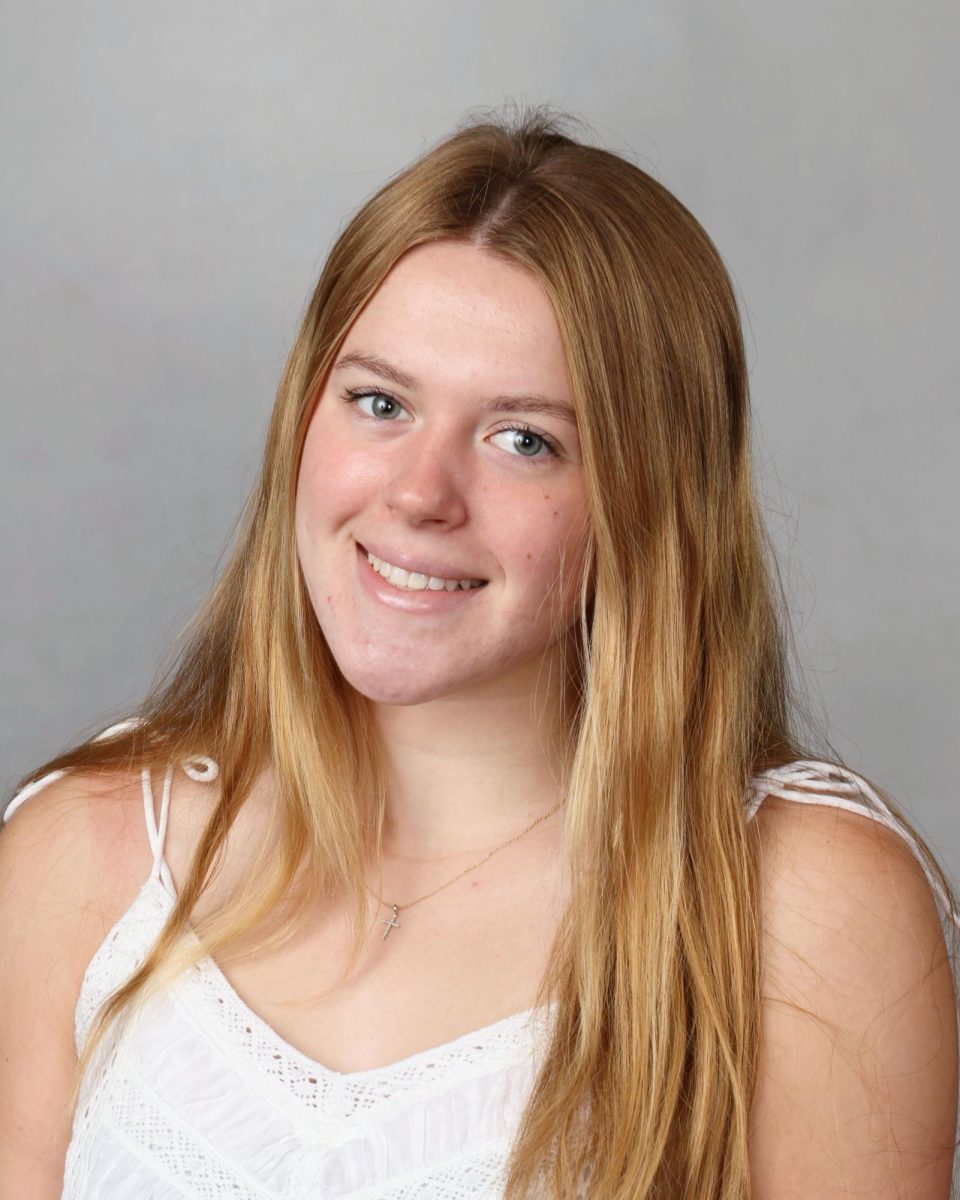
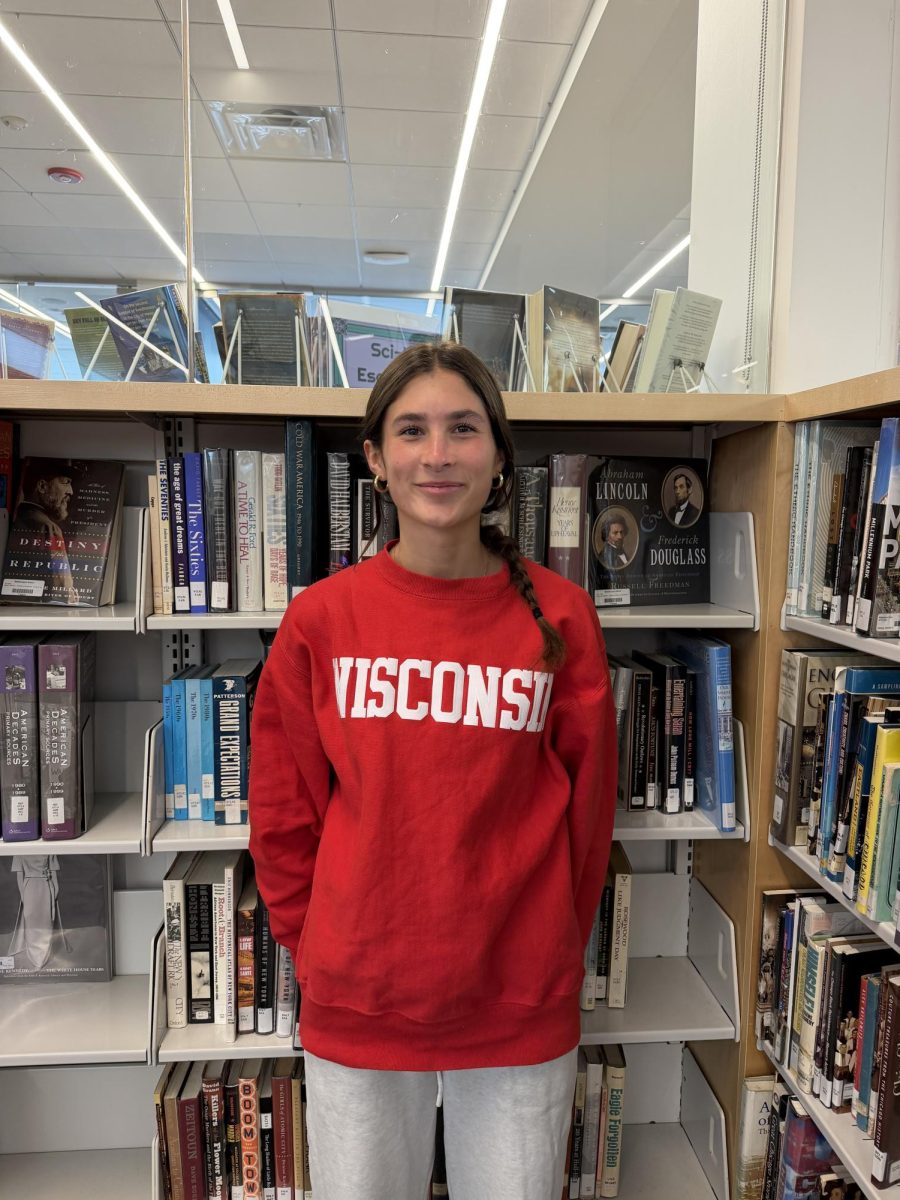
The spirit of collaboration behind the plan has also resonated with Latin students. Freshman Caroline Rupple complimented the plan’s emphasis on community, which has been such an important part to her first year at Latin—and a big draw when she was considering schools.
“My old school was not super community-based,” Caroline said. “It was more based in [bonding] through academics, whereas Latin is very academically sound, but we still grow as a community outside of that.”
While community is a cornerstone of the student experience for many at Latin, the strategic planning process also surfaced areas of student life where some are hoping for improvement.
“One of the things we heard about was the different elective opportunities students have [was that students] mentioned liking that they have electives not just in the arts, but in science, in math, and in history,” Director of Academic Affairs and Strategic Planning Committee member Ash Hansberry said. “And also, everyone around here feels busy all the time, and is stressed. This is a high-demand sort of place, right? People are busy, people are stressed.”
The Strategic Plan groups academic excellence and student wellness under the same priority, officially recognizing the impact one has on the other. On the wellness side, Dr. Hagerman elaborated on the structuring of initiatives.
“The area of Health & Wellness will focus on a clear scope and sequence for social-emotional learning, understanding and accessing appropriate student support services, and feedback loops for gauging program fidelity, as well as areas for improvement,” he said.
Beyond the classroom, the plan also focuses on fostering an engaged community with diversity and inclusivity at its core.
Senior and Latin lifer Jack Ramsey said, “When I came into Latin as a junior kindergartner, there wasn't a lot of diversity. But now the demographics have certainly switched in favor of diversity, which is good.”
Latin currently promotes the fact that 46% of its students identify as students of color—a rise from 33% in 2016.
This diversity also made representing the full spectrum of perspectives within Latin a central part of the feedback collection process for the Strategic Planning Committee.
“The things that ended up in the plan, the things that we prioritized, were places of overlap between multiple constituencies,” Mx. Hansberry said. “I think one of the biggest challenges [was] just around the words we use to describe things.”
Even among the original feedback from constituencies, though, Mx. Hansberry shared that everyone’s goals were remarkably aligned in spirit.
“We were really pleased, actually, with the level of consistency,” they said.
Nevertheless, some ideas mentioned in the plan lack specificity around implementation—one of which is new and improved facilities.
“The Board has a Facilities Committee that looks at the current school facilities to both maintain them and address potential updates,” Board of Trustees Chair and Strategic Planning Committee member Dara Milner said. “In addition, the Board’s Real Estate Task Force thoughtfully monitors opportunities that may strengthen Latin’s programs and support the school’s long-term goals.”
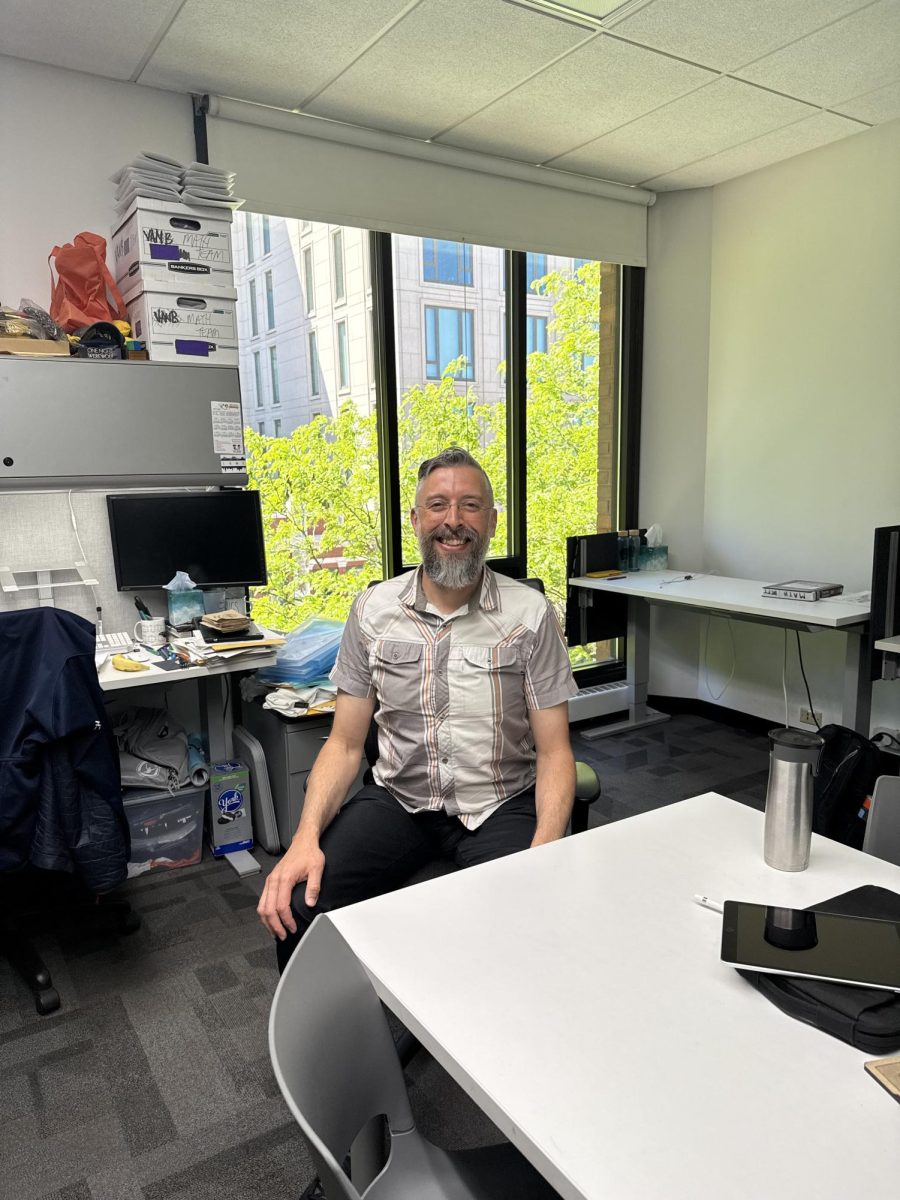
As Upper School photography teacher Ian Merritt pointed out, altering the school's physical spaces does pose a unique challenge given the spatial restrictions of its urban setting.
“We are locked into a space that is pretty finite,” he said. “There are places to grow, but I think the biggest hurdle through the next bunch of years will be how big does [Latin] want to grow, and what’s [it] gonna look like?”
The plan’s final section is the only one directed primarily at one constituency: faculty.
The initiatives outlined in the “Developing Talent & Resources” section of the plan include "enhancing onboarding, supporting ongoing professional development, and fostering a positive, inclusive work culture,” as explained by Dr. Hagerman. “These supports are intended to provide teachers with the guidance, skills, and support they need to excel both inside and outside the classroom.”
“By investing in these areas,” he added, “we ensure that teachers are well-prepared, continually growing, and empowered to create meaningful learning experiences for every student.”
Mr. Merritt said he finds the plan's priority of increased investment toward teacher preparedness to be a clear sign of the school’s interest in supporting high standards when it comes to instruction.
“For a school to say [they’re] going to really put some time and effort [into] developing talent resources, it means that the administration is really thinking about keeping Latin—not only teachers, but what they're teaching—relevant,” he said.
In addition to Ms. Milner, Dr. Hagerman, and Mx. Hansberry, the other members of the Strategic Planning Committee were Board Vice Chair Carrie Parr, Assistant Head of School Ryan Allen, and former Middle School Director Deb Sampey.
Reflecting on the plan beyond any specific initiatives, Ms. Milner said she believes it serves as an important part of Latin’s broader growth and advancement.
“The Strategic Plan keeps our school focused, aligned, and true to its mission and values,” she said. “It helps Latin’s leadership make thoughtful, forward-looking decisions, empowers faculty and staff to innovate, and signals to the community that we are listening, adapting, and growing together.”