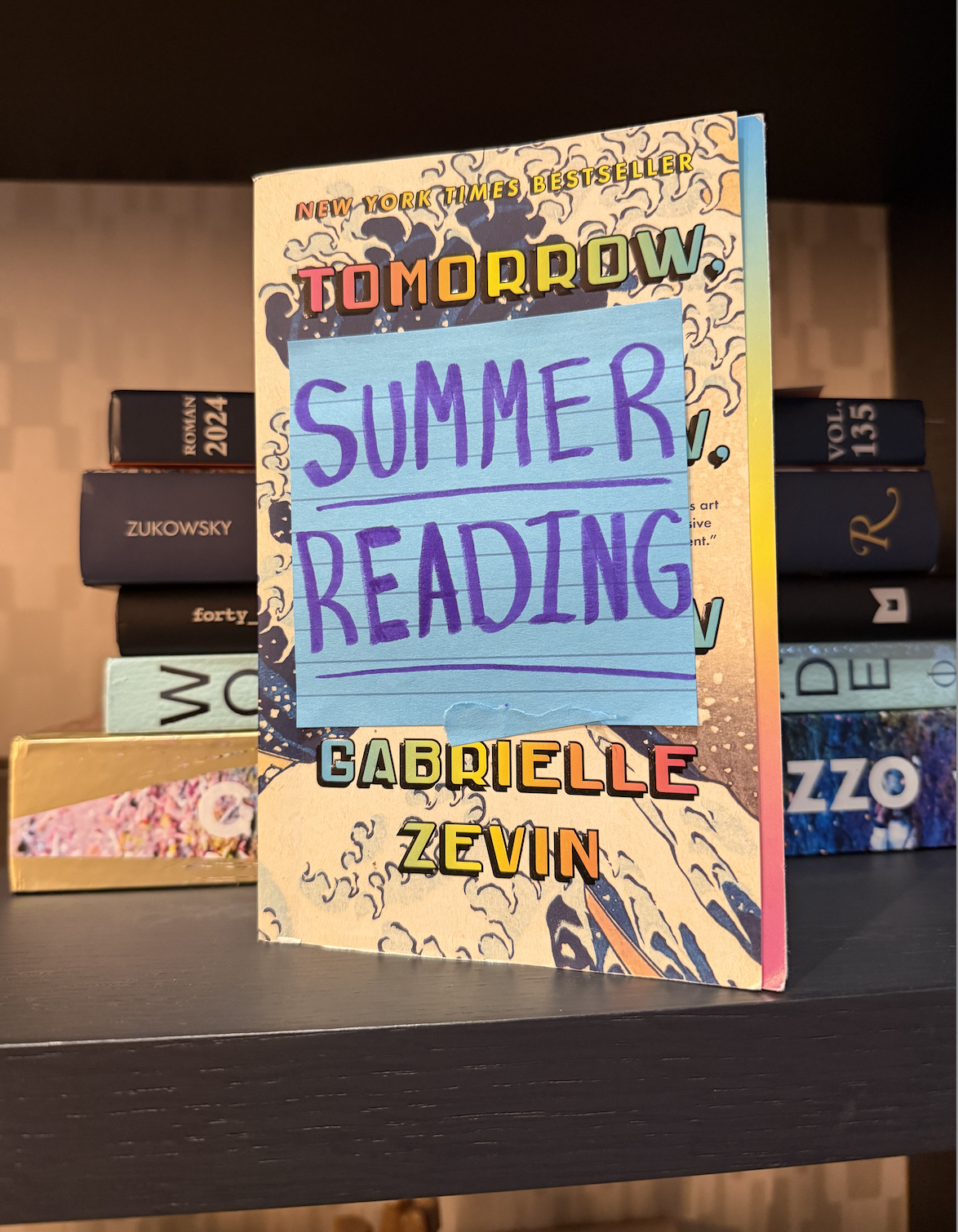
Sitting in bed, scrolling through TikTok on a calm night in August, I look over at my shelf and see a book with a Post-it note labeled “SUMMER READING” staring back at me. That book sits in the same place I left it at the beginning of summer, unread and ignored.
Every year, after eight long months of essays, tests, and exams, Latin students set off to enjoy three months of freedom—or so they believe. The one thing stopping students from leaving schoolwork behind is assigned summer reading. One book, a shared experience for the school, chosen by a different department each year. But what if, instead of being given one specific book to read, we got to decide what book we read over the summer?
Why can’t we choose our own books that interest us? This freedom would encourage students to discover their passions in literature by requiring them to search for a book they would want to spend time reading, leading them to make their own decisions and discoveries. I understand that reading one book gives us something to talk about when we return from the break; however, not everyone enjoys the same book, or even the same genre.
Given the endless possibilities for summer activities, students look for the most entertaining things to do. Assigning a specific book compels students to skim through, shortcut, or not even read the book at all.
As a reader myself, I find that trying to read a book I dislike makes it difficult to dive into the story and makes me procrastinate, which is a bad habit. Reading a book that aligns with my interests lets me get lost in the story, immersing myself in the text and wanting it to never end.
Teachers can’t assign each student a separate book, but they could set standards or restrictions for the books while still giving students the freedom of choice. Perhaps students could be assigned a general project that could fit any book, allowing students to showcase what they learned about the world, or even themselves, through a text.
This feeling of freedom would promote healthy habits that allow teenagers to explore themselves through what they read, rather than being glued to devices all summer long.
It’s no secret that students are addicted to their phones, or that excessive screentime may cause mental health issues and sleep deprivation. Summer reading should be viewed as an opportunity to expose students to the process of reading and healthier forms of entertainment in a society that relies heavily on technology for amusement.
Unlike constant screen time, reading can build healthier habits for students’ futures. Reading promotes brain development, improves memory, and helps build an advanced vocabulary. According to a 2017 study comparing the life expectancies of readers and non-readers, readers lived, on average, two years longer than non-readers, underscoring the long-term benefits of reading. Reading has also been found to reduce stress and promote sleep, both of which are important for students.
But Latin’s current summer reading doesn’t let us reap these benefits; in its present form, it’s just seen as an assignment.
Although summer is approaching, next year teachers should consider letting students display their interests through a project based on a unique book that they discover. Through this change, we could say goodbye to the late nights of reading the last week of summer, and say hello to sitting by the beach, sipping a cold drink, and diving into a text of our own interest. Hopefully, with this autonomy, students will put down the phone and controller and finally pick up a book they enjoy.